10 UC Berkeley English Major Tips
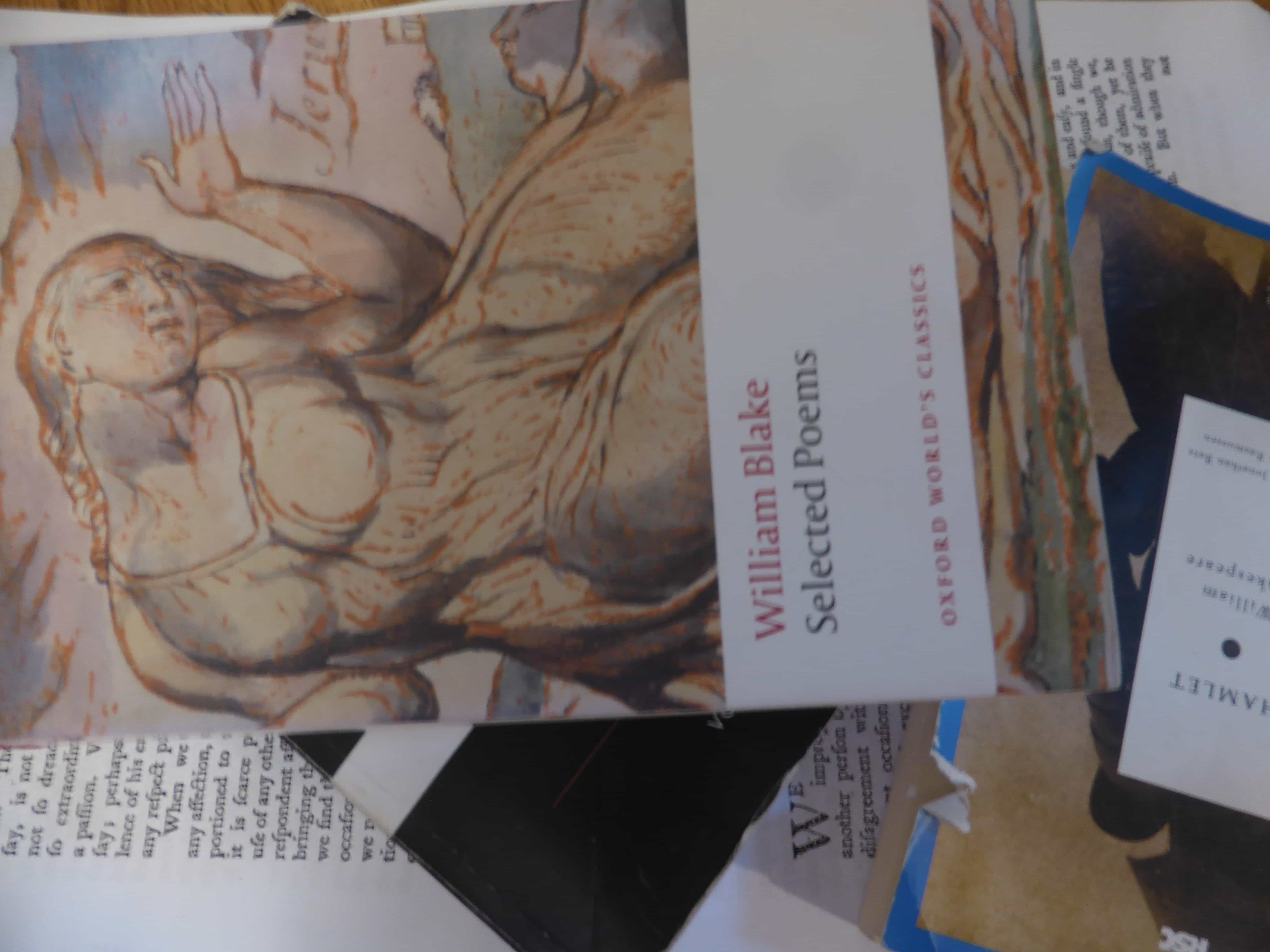
I'm in my final semester of my 4th year at UC Berkeley majoring in English. These are the tips I'd give to a freshman English major now.
1. Know the English Trinity

No, not the Father, Son and Holy Spirit. European History, the Bible, and Greek mythology. If you have a baseline understanding of these 3 subjects, you will have some interesting external insight into 95% of texts you have to read in college. Common interpretations of the texts you encounter, from professors and other students, will be easier to follow. You can swap out Greek mythology with classical studies more broadly if you'd like, so you also have ancient philosophy and the works of Homer covered (I'm pretty weak in these areas myself). But I find mythology to be the easiest entry point to the rest of classical studies, since it's the most fun! My evidence? Supergiant Games created one of the most fun roguelike games based on Greek mythology.
I had some experience with all 3 of these fields going into college, and it made my life much easier. I took AP European History in high school (and an introduction to European history in my first college semester, which helped solidify what I'd learned). I was raised Protestant and went to a Christian elementary school. I had an illustrated children's Greek mythology book that I adored as a kid, and also read the Percy Jackson series. But if all of this knowledge were wiped from my head instantly, I'd probably start again by going down rabbit holes on the wikipedia pages for Greek Mythology, the History of Europe, and the Bible
Shakespeare can be better understood if you know this trinity. So can the works of John Milton. Then, once you've gained familiarity with these sorts of secondary authors, you can understand the frequent Shakespeare allusions Karl Marx makes in Capital, and see the influence of Milton in any piece of Romantic literature. You continue building layers on your foundation as you come across more texts. However, having strong fundamentals will give you a starting point for any reading on the syllabus, no matter how initially unfamiliar you are.
2. Obtain physical copies of your texts
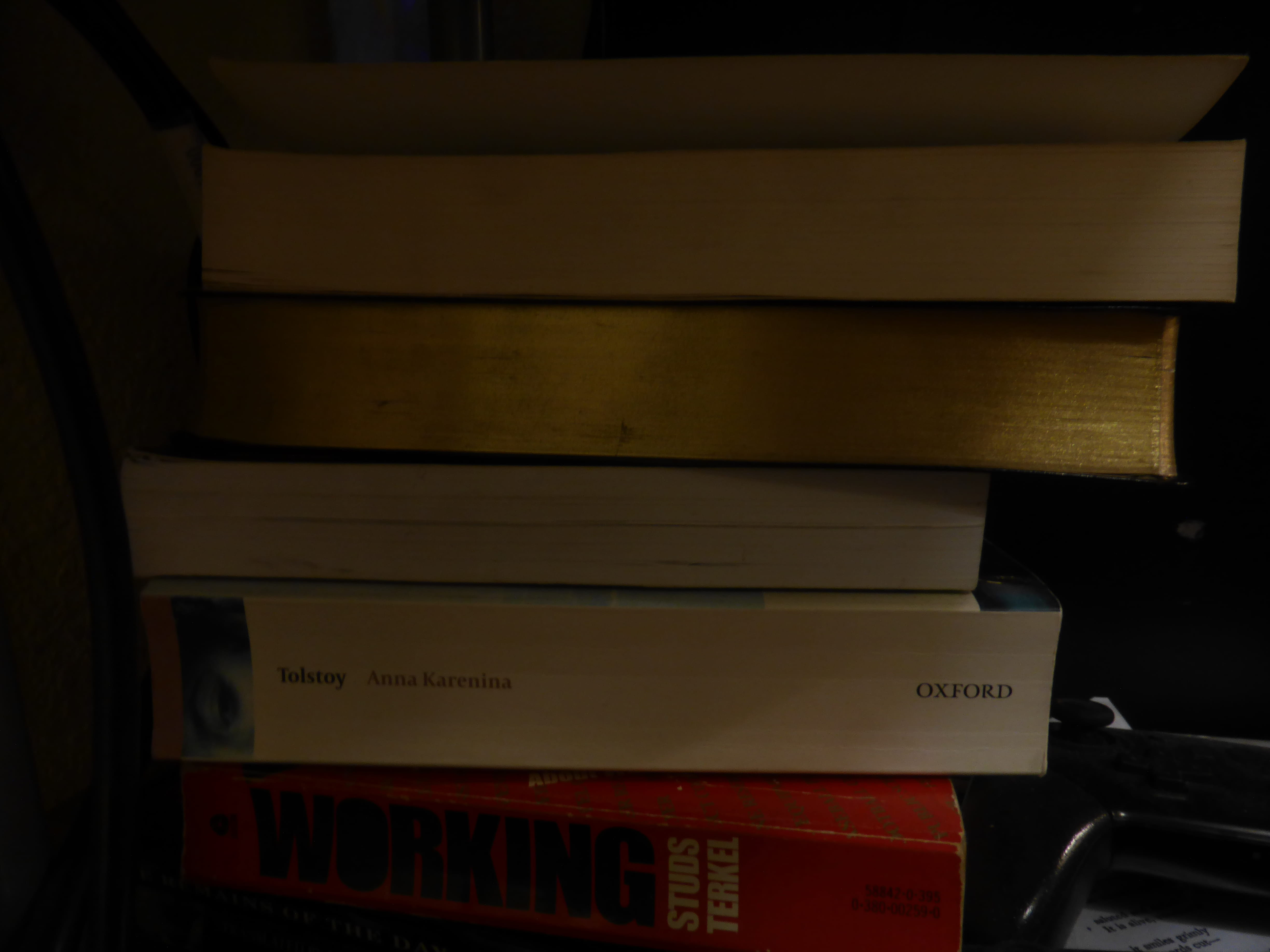
Yes, I know digital texts are more convenient. You can jump quickly to particular words or page numbers. Electronic devices are lighter to carry around. And, nearly all digital texts are free (if you pirate them, which you definitely do).
Luckily, you're not shelling out $113 for the eighth edition of James Stewart's Single Variable Calculus right now. You're picking up a copy of The Sound and the Fury for $14.33. You can use the public library or the school library, but I like owning my books so I often buy from used book stores. I've had amazing luck at Pegasus Books on Shattuck Avenue (over 10 required books found there), but there is also Moe's Books on Telegraph, and even E-bay. You can always ask the front desk staff if you're having trouble finding a particular title in-store.
For small PDFs, it's easier to print all of them out when the semester begins if possible. Or, you can purchase a course reader.
It's easier to focus when you're not tempted to switch to another window or tab while you're reading. You can't have your book run out of battery, if you forget to charge things like I do. Also, my subsequent tips (#3, #6, and #7) are more straightforward if you have physical copies. In the past, I've used a regular laptop, 2-in-1 laptop, and even a kindle for reading. But in the end, I came back to pen and paper.
3. Annotate your texts
Write in the margins and put symbols on the text itself. When you actually have to go back on the readings to find something to write about, you've given yourself starting points. It'll slow down your reading, but I prefer not to skim anyway.
If you find yourself struggling to start, try to find the most interesting or important sentence for each 2 paragraph section. You can later drop this constraint once you find yourself annotating a good amount without even thinking. Here are some other things I do, for inspiration:
- Do a little squiggly lines under words I don't know the definition of, or mentions of authors and works I don't recognize.
- Live react, even if it seems trivial and stupid. Try to predict where the author is going with the plot or their argument. Note if something surprises you, dispute things you disagree with and expand on your approval of the sections you like.
- If you're ever reminded of something else, no matter if it's a pivotal work from the same time period or the random opinion of your friend the other day, put it down. Make it feel like a conversation, relate the text to yourself and things you know.
- Use abbrevations like you're texting if you run out of space, which also makes this process faster. You don't have to annotate complete sentences or thoughts. Sometimes, I'll even just put "?" or "ohhh. true".
4. Read an online description beforehand
I'm very good at losing the plot. This means that sometimes when I read, I spend all of my effort just grasping basic events and points made, which makes annotating and having interesting insights much more difficult.
For me, this often takes the form of the Wikipedia page of the book. Or, the Wikipedia page of an author, which also gives you biographical background and an overview of other works from them. Aside from Wikipedia, you might also use something like the detailed summaries for each scene from Weller's Shakespeare Navigator. It depends on whatever you come across and find helpful. Spark Notes is probably fine too for this purpose, but I don't use it myself.
If you're worried about spoilers, you can always read the summary in parallel with the text itself to ensure you're not getting too off track or missed some key element of the reading. I'll do this with assigned films especially.
5. For difficult language, listen to the audiobook while reading

In my experience, this was usually Early Modern and Old English. I'd lose a lot from poetry because I didn't know the pronounciations for certain words, or the tone with which certain lines should be delivered. But looking up these details each time is time-consuming, so I end up losing the forest for the trees; plus, I read slowly enough as-is!
However, you can use audiobooks for more modern texts as well. Anything that makes your eyes glaze over, that's still fundamental enough to be taught in college, probably has a free audiobook on YouTube for you to follow along with. The audio also helps drown out background noise! I don't like audiobooks by themselves: I zone out and rewind so many times that it takes longer than if I'd just read the text. But paired with text, audiobooks are very useful.
6. The Double Bookmark Method
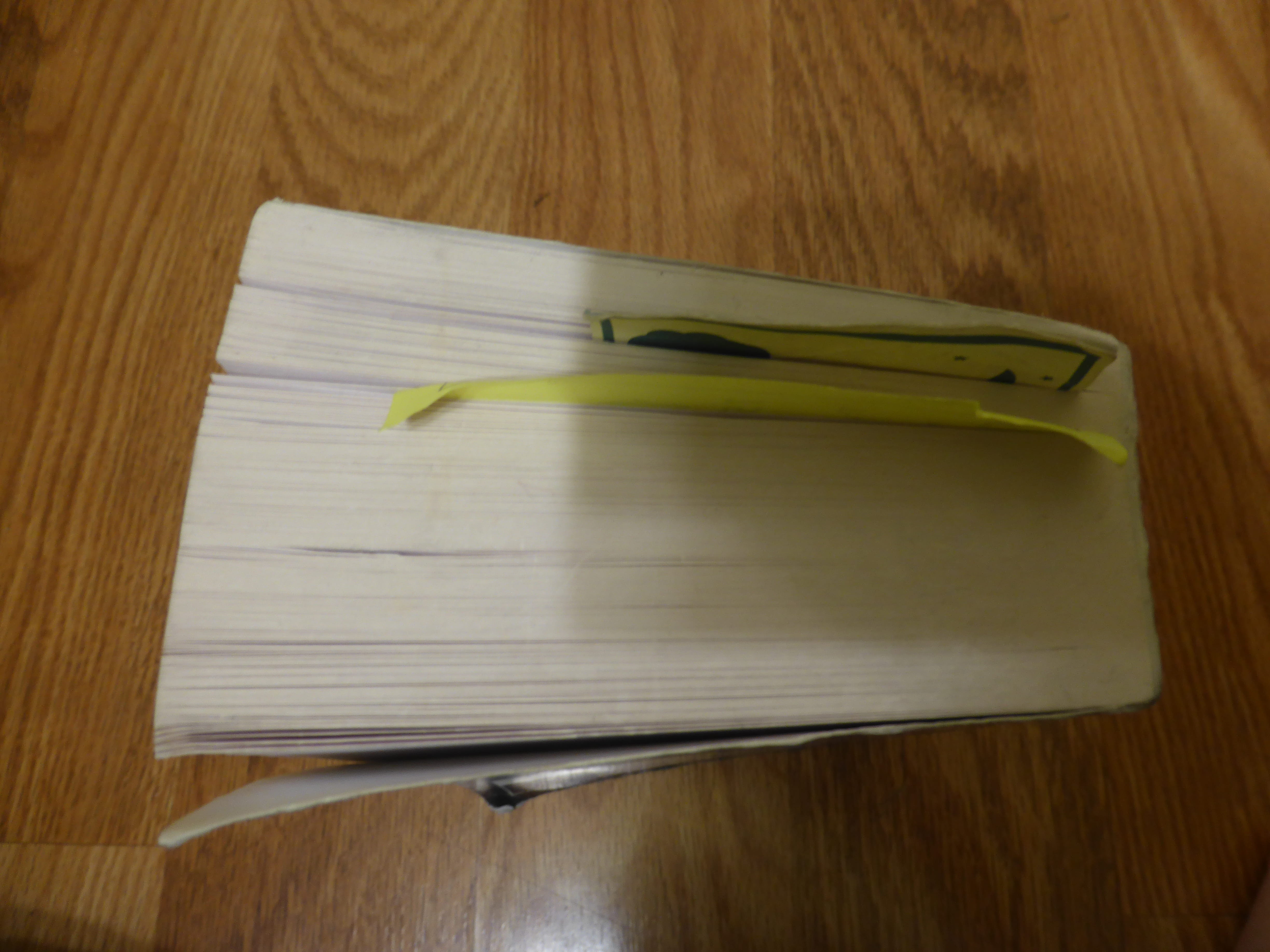
Remember how I said in Tip #3 that I prefer not (and frankly struggle) to skim? Well, at some point during the semester, I inevitably fall behind on my readings. It's easy to let yourself continue to get behind, losing track of where you're supposed to be. I find it helpful to keep 2 bookmarks: one for where you actually are in the book, and one for where you're supposed to be according to the reading schedule. Having a printed-out syllabus stored in the book itself is good to reference when moving the 2nd bookmark.
It helps you visualize how behind you actually are, feel the appropriate level of panic, and make time to catch up accordingly. Rather than blundering on in blissful ignorance, taking my sweet time, which is what I'd do otherwise. I think it taps into the same part of my brain that sees how much sandwich is left to eat and wants to finish what's on the plate. In addition, consistently attending class will also aid in giving you this sense of "behind-ness" that will motivate you to read.
7. Don't use electronic devices in class
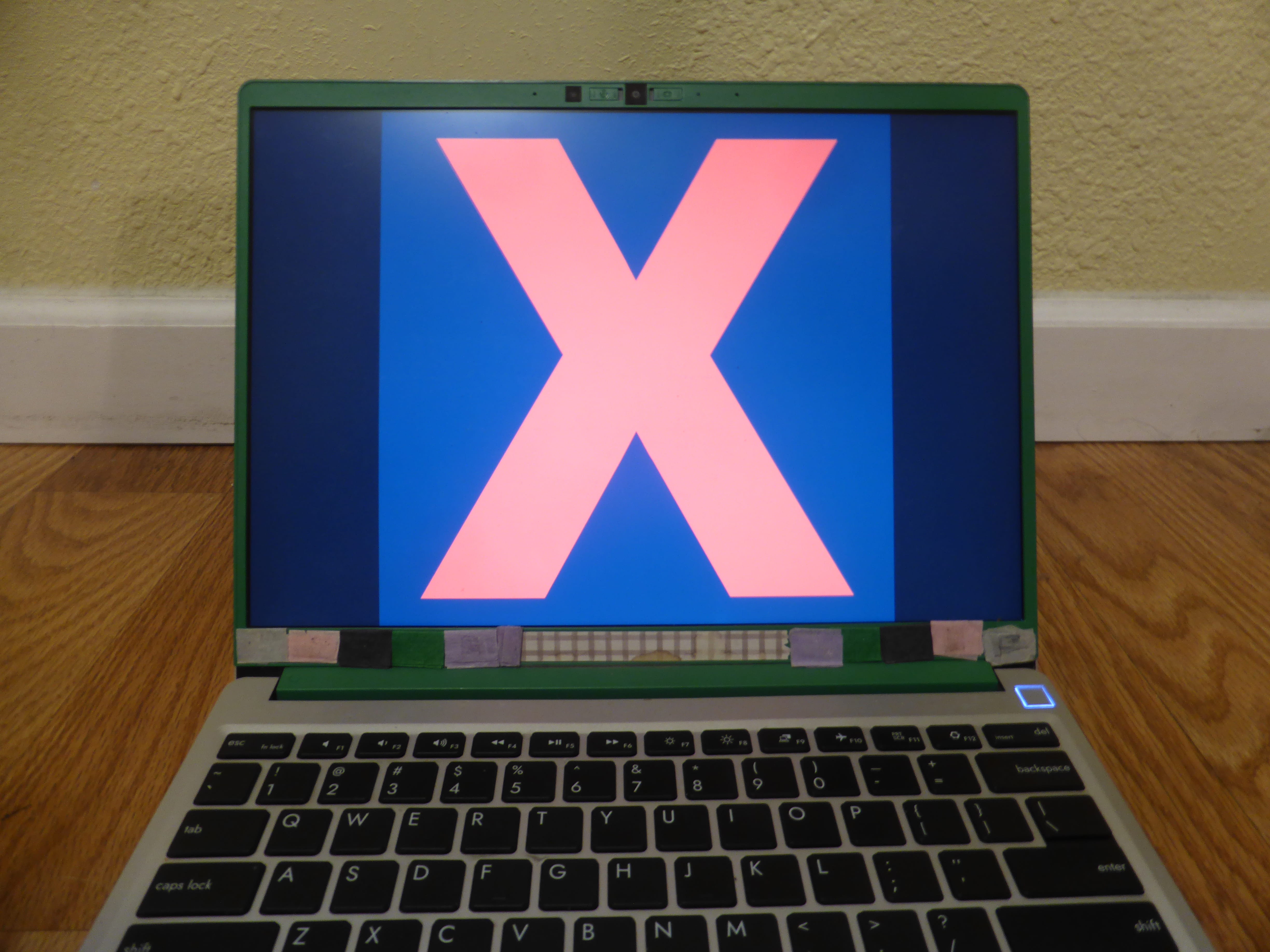
This is easier to do if you follow my 2nd tip and obtain physical copies of your texts. If I have my laptop out, I'm too tempted to open another window and distract myself from lecture or what is happening in class. If I have my phone out, whether it's a smart phone or flip phone, I will likewise stop paying attention. You've gotta give yourself no choice but the content.
And, in smaller seminar settings, it's nice not to have that physical barrier between you and other people. You appear more attentive, and you probably are. To prevent myself from zoning out, I try to take notes in a physical notebook (I just use my planner because I'm too lazy to remember to pack different notebooks). Sometimes, instead of a notebook, I will annotate the text alongside the particular section the professor is referencing, often underlining any direct quotations they make. If they aren't referencing any specific passage, or I'm straight up lost, I'll put longer notes at the big spaces at the ends of chapters, or on introductory title pages. Whether I opt for a notebook vs annotating depends on the format of the class and the style of lecture.
8. During discussion, respond directly to other students' ideas
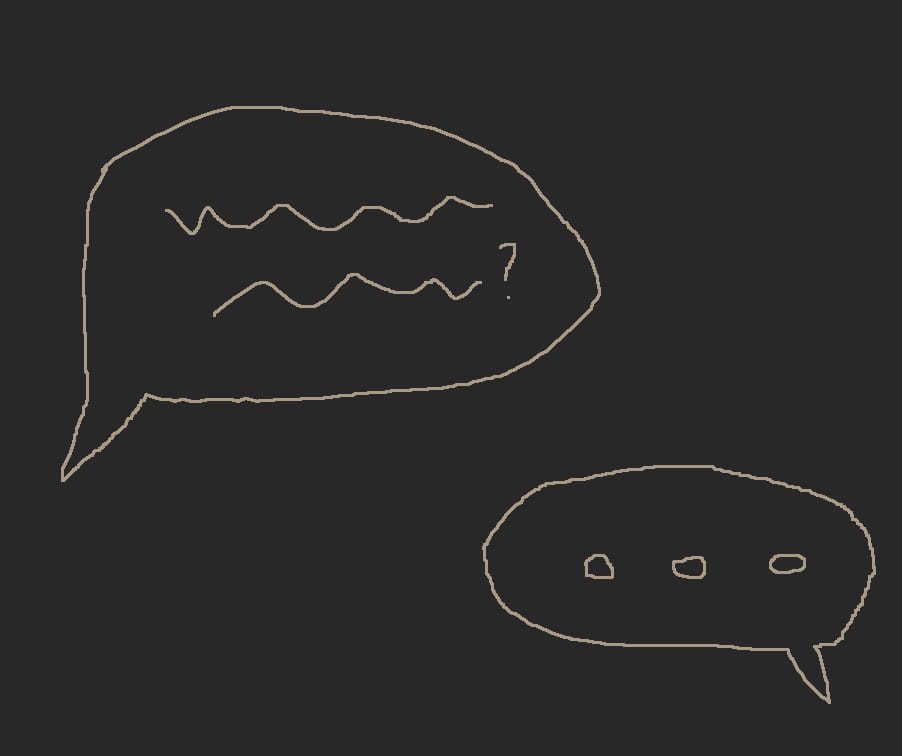
If you think of something you'd like to say, don't hang on to it in your head and ignore whatever else is being said until you get the chance to speak. But don't forget it, either: write it down and come back to it! In times like these, I will often distinguish my own thoughts from the rest of my class notes with brackets [like so].
And when you do say something, try not to talk into the void. In discussion section or a small seminar class, make what you say part of the ongoing conversation. Ask questions, dig deeper into what someone else has said, find a balance with how often you argue vs agree with others. Try not to derail, no matter how ground-breaking your point feels. Don't say "I agree with X's point, and..." then proceed to make a completely unrelated observation. If you wanted to hear your own opinions, you could've read the book, stayed home, and talked to yourself. You're there for the additional understanding of this work that only other people can provide, and that's valuable stuff. Create space for it.
Also, ground your conversations in the text. Try to stay aware of if you're wandering into pure speculation or unrelated commentary. If you haven't read a quote from the reading out loud in awhile, that's probably a bad sign.
9. Start papers with topic sentences for each section
This is less necessary if I've given myself a lot of time to write and iterate. But, if I just start writing a paper without an outline, not only do I find it harder to form each sentence, but each section may be outsized relative to its importance to my argument. I'll go off on tangents and create a lot of writing that eventually gets deleted, which for is great for increasing understanding (hence, a beneficial approach when I start early), but bad for getting the paper done in a reasonable timespan. Most often, I put the rough structure down on the document beforehand.
For example, say I need to write a 5 page paper. I'll allocate pages 1 and 5 for the introduction and conclusion, and have my initial thesis set up on page 1. Next, I'll do the first sentence for page 2, then page 3, then page 4, each corresponding to a particular topic I need to expand on to support my thesis. The topic sentences of pages 2-4 should make some sense when read in sequence. The order should matter, since each point ought to build on what's established before it; I may re-order them until I'm confident there's direction from one sentence to the next. Only then will I actually start the bulk of my writing. Each point may not perfectly fit in a full page. Page 3 (or words 500-1000, however I'm divvying up sections) may end up a bit longer than page 2, which is fine if I hit the expected length in the end, but I try not to go overboard with shifting the proportions.
10. Read out loud before turning it in
I'll do this for assignments of any size, and also writing outside of school. You'll catch little errors: missed in-text citations, typos, or overcomplicated grammar. I start at the top and read aloud, and if I cringe at some section, I'll make a tweak and continue reading. Once I can read through the entire piece once out loud without making any changes partway through, it's ready to turn in. I'm too shy and disorganized to find time to read aloud to other people, but that would probably be beneficial too. Maybe someday...
Conclusion

I didn't write this list for any particular purpose, I just wanted to jot down what has helped me succeed in past classes. I figured each rule out incrementally through experience.
I'm very glad that I studied English in college. It's a pretty forgiving major; you can get away with skipping readings and doing very little work and still pass. English at Berkeley has a low skill floor. Nonetheless, I put effort into my English classes, because when I do, I get so much more out of them than a grade. A better understanding of the world, of other people, exposure to new concepts, plus confidence and speed when I approach any other difficult reading that I need to do in life. When I follow my own advice, I reap better rewards: lecture is more fascinating and I have more thoughts on the readings and their implications. Studying English genuinely made me smarter and a better person. I'd recommend it over any self-help book on the market.